Houston Docks
- Thousands of satisfied customers
- Local and family owned
- 15+ years in business
- Licensed and insured
- Always FREE Quotes
Licensed & Insured Custom Residential Dock Construction in Houston, TX
Waterfront living should be safe, simple, and fun. If your family needs reliable access for boating, fishing, and entertaining, we design and build docks that stand up to Houston’s tides, wakes, and storms. We specialize in Custom Residential Dock Construction Houston TX for homes on Clear Lake, Galveston Bay, Lake Houston, and Lake Conroe.
With 15+ years on the water and thousands of feet of dock installed, our crew brings barge-based equipment, certified pile drivers, and code-compliant electrical to every project. You get a dock that’s beautiful, durable, and easy to maintain—built for local conditions and permit-ready. Tell us what you’re envisioning and we’ll handle the rest. Contact us today for a free on-site consultation and estimate.
Why Our Custom Residential Docks Deliver Safety, Longevity, and Everyday Enjoyment
You want a dock that looks great, works flawlessly, and lasts through hurricane seasons. Hiring a professional custom dock builder Houston homeowners trust is the smart move. We engineer for wind, waves, soil, and corrosion—so your investment performs year after year. With our Custom Residential Dock Construction, you’ll enjoy safer access, low maintenance materials, and a clean, code-compliant installation.
Safety & Risk Elimination
Your family’s safety comes first. We size and drive pilings based on geotechnical conditions and local fetch, add cross-bracing and hurricane strapping, and design gangways with proper hinge detailing to handle fluctuating water. Handrails, life rings, and shock hazard signage are available where appropriate.
Electrical is installed to NEC Article 555 with GFCI protection for boat hoists and dock receptacles, bonding of metal parts, and ELCI options at the service pedestal to reduce stray-current risk. That means fewer hazards, lower liability, and confidence every time you step onto the dock.
Professional Results & Quality
We use proven materials made for Texas waters: pressure-treated southern yellow pine (.60 CCA/MCQ) framing, 316 stainless steel fasteners in brackish areas, and composite or PVC/HDPE decking like Trex, TimberTech, or WearDeck for long-term durability. FRP/composite piles and vinyl sheet piling are recommended where corrosion or shipworm exposure is high.
Hidden fastener decking systems deliver a clean finish. We build to recognized standards and follow NFPA 303 for fire safety on docks with power and fuel nearby. Expect tight lines, true elevations, and a dock that looks as good as it performs.
Time & Stress Savings
Permitting, engineering, and shoreline constraints can be a maze. We manage it. From USACE Galveston District Section 10/404 coordination to Texas GLO residential structure registration and City of Houston pier permits, our team handles submittals, revisions, and inspections so you don’t have to.
On-site, our spud barge, pile driving hammer (diesel/vibratory), and marine crane speed up installation with minimal shoreline disturbance. You get clear timelines, proactive updates, and a single point of contact from start to finish.
Cost-Effective Solution
Cut corners on a dock and you pay for it later—warped decks, loose connections, or storm damage. We value-engineer with the right materials in the right places: galvalume R-panel on boathouses, poly-coated wood at splash zones, and encapsulated EPS floats for modular sections.
Thoughtful choices, like 316 stainless near Galveston Bay and aluminum gangways for lighter weight and corrosion resistance, reduce long-term maintenance. The result is fewer repairs, less downtime, and better total cost of ownership than a piecemeal build.
Peace of Mind & Warranty
We’re fully insured, OSHA 10/30 trained, with NCCER pile driving credentials. Our work is backed by a written workmanship warranty, and manufacturer warranties on decking, lifts, and hardware. We also offer annual inspection plans to spot issues early, from piling wrap wear to fastener corrosion.
If storms hit, our emergency response team prioritizes assessments and repairs, helping you reclaim your waterfront quickly and safely.
How Our Dock Building Process Works
We make the experience straightforward. From site visit to final inspection, our team communicates clearly and keeps your project moving.
- Site Visit & Consultation — We assess shoreline, depth, soil, and access. Share your wish list—slips, lifts, lighting, and decking preferences.
- Design & Estimate — You receive a CAD layout, materials options (Trex, TimberTech, WearDeck, ipe), and a fixed, written proposal.
- Permitting & Approvals — We manage USACE/GLO, City of Houston HPWCODE1003, floodplain, and SJRA (Lake Conroe) as needed.
- Construction — Our spud barge and pile driver set pilings; framing, decking, utilities, and lifts are installed to spec and code.
- Final Walkthrough — We test electrical, hoists, and hardware; review maintenance tips; and provide warranty documentation.
Why Choose Houston Docks for Custom Residential Dock Construction in Houston
At Houston Docks, we build docks engineered for Texas waters and your lifestyle. Our team has delivered residential projects from Nassau Bay to Kingwood with consistent quality, transparent timelines, and clean job sites. We handle design-build, permits, and construction under one roof—so you get predictable outcomes and one accountable partner. When you search for Custom Residential Dock Construction Houston TX, homeowners choose us for proven expertise and dependable service.
Certified Expertise & Proven Methods
Our crews hold OSHA 10/30, NCCER Pile Driving, and CPR/First Aid/AED credentials. We’re members of PDCA, Marina Association of Texas, and the Association of Marina Industries, which keeps our practices aligned with industry best standards.
We drive timber, steel, or FRP pilings using diesel or vibratory hammers based on subsurface data and access constraints, with jetting where appropriate. Cross-bracing, through-bolting, and uplift anchors increase lateral capacity and storm resilience. For floating systems, we use spud poles, chain/deadman anchoring, and flexible hinges to handle water level changes.
Licensing, Insurance & Code Compliance
We are fully insured and permit-ready. Our team manages USACE Galveston District Department of the Army Permit (Section 10/404), Texas GLO registration/leases, City of Houston Stationary and Floating Piers Permit (HPWCODE1003), floodplain approvals, and Harris County or SJRA requirements.
Electrical work is performed by Texas-licensed contractors to NEC Article 555 and GFCI requirements for hoists, with ELCI options at the pedestal. We follow TCEQ construction BMPs to protect water quality during installation.
Right Equipment for the Job
From a dedicated spud barge and marine crane to helical pile drivers for low-impact tie-downs, our equipment matches the site. We use laser levels/total station for elevations and layout, jetting pumps for clean pile setting, and rock drills/augers where subsurface conditions demand it.
This fleet allows us to work efficiently on tight canals in Seabrook/Kemah, open fetch on Galveston Bay, and depth-limited areas on Lake Houston—without compromising safety or quality.
Materials Built for Texas Conditions
We specify 316 stainless fasteners and galvanized or aluminum framing where corrosion is a risk, PVC/HDPE decking (WearDeck) for hot, wet climates, and composite options (Trex, TimberTech) for low maintenance. FRP piles, vinyl sheet piling, and poly-coated components provide longevity in brackish waters.
Optional add-ons include boat lifts and PWC ports, ADA-accessible gangways, dock lighting, fish cleaning stations, and cathodic protection on metal components. Every selection is about lifecycle value—not just day-one price.
Customer-First Guarantees
We provide clear schedules, written warranties, and responsive communication. Storm on the horizon? We offer storm hardening and post-event inspections. Need a combined solution? Ask about dock packages and electrical/lighting upgrades.
Our goal is simple: deliver a dock your family loves to use—on time, on budget, and built to last.
Custom Residential Dock Projects Backed by Local Experience
We’ve completed hundreds of residential docks across the Greater Houston shoreline—from U-shaped slips in League City to hurricane-hardened boathouses on Galveston Island. Our team understands wind exposure, soil conditions, and permit pathways unique to each waterbody. When you need Custom Residential Dock Construction Houston TX, we tailor every design to your site, boat, and budget.
Types of Dock Projects We Handle
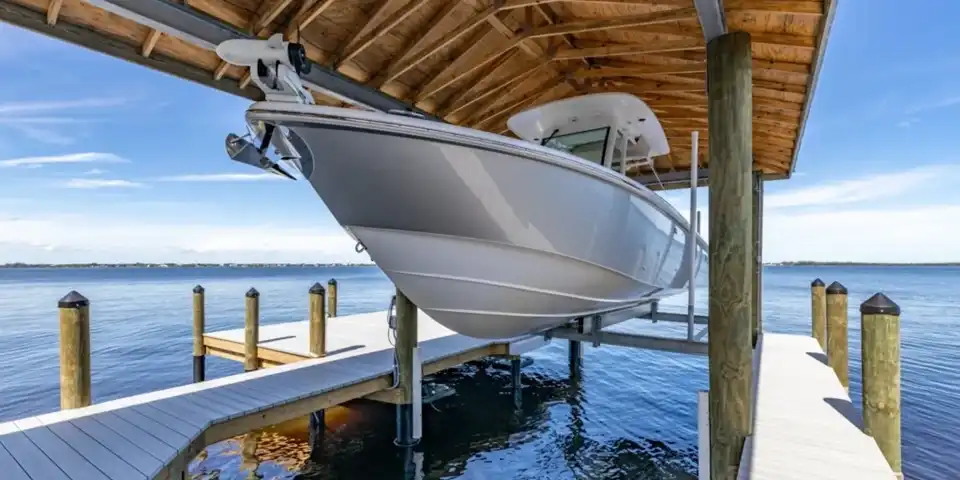
From T- and L-shaped fishing piers and multi-slip private docks to covered boathouses with lifts, we design and build for how you live on the water. Floating dock systems suit fluctuating water at Lake Conroe and Lake Houston; fixed piers shine in protected canals around Nassau Bay and Seabrook.
We also deliver party platforms, boardwalks, access walkways, and kayak/PWC launches—plus dock and pier contractors Houston homeowners rely on for add-ons like lighting and utilities.
Our Proven Process & Methods
We start with a soil and bathymetry assessment, then engineer pilings and framing for the loads. Hidden fastener decking systems provide a clean, barefoot-friendly surface. Gangway slope and hinge details are designed for comfort and ADA-friendly options where requested.
Utilities are installed with marine-grade pedestals, GFCI protection, and labeled disconnects. We finish with corrosion-resistant coatings, piling wrap/encapsulation as needed, and thorough testing of lifts and electrical.
Complex Situations We’ve Mastered
Shallow canals with tight access? Our compact barge and winches come in. Soft mud over hardpan? We combine jetting with driven or helical supports. High salinity and barnacle activity? We upgrade to FRP piles and 316 stainless throughout.
We’ve rebuilt storm-damaged docks with uplift anchors, through-bolted caps, and enhanced bracing—delivering hurricane-resistant dock design for Galveston Bay homeowners who want peace of mind.
Results You Can Expect
Typical construction runs 2–4 weeks on site after permits. You’ll get straight lines, true elevations, smooth gangways, and quiet, reliable boat lifts. We leave the shoreline clean and the dock ready for immediate use.
Post-build, we offer maintenance plans for decking, hardware tightness, lift service, and electrical checks—so your dock stays safe and beautiful season after season.
Frequently Asked Questions
How long does a dock or pier project take from permit to completion?
Most projects run 8–14 weeks from signed agreement to final walkthrough. Permitting typically takes 3–8 weeks depending on USACE/GLO review and City of Houston or SJRA approvals. On-site construction usually takes 2–4 weeks, weather and water levels permitting. Complex boathouses, multi-slip docks, or electrical upgrades can add time. We provide a written schedule with milestones and update you weekly so you always know what’s next.
Do I need permits for a residential dock in Houston/Clear Lake?
Yes. Common approvals include USACE Galveston District Section 10/404, Texas GLO residential structure registration or lease, City of Houston Stationary and Floating Piers Permit (HPWCODE1003), and floodplain permits. In Lake Conroe, SJRA approvals apply. We handle drawings, submittals, and agency coordination, and we keep your design within channel setbacks and GLO dimensional limits to streamline approvals.
What’s the difference between floating and fixed docks?
Floating docks ride with water level changes—great for Lake Conroe or Lake Houston. They use encapsulated EPS or HDPE modular floats and flexible gangway connections. Fixed docks are supported by driven pilings and feel solid underfoot—ideal in protected canals around Clear Lake and Seabrook. We’ll compare options based on fetch, water depth, soil, and intended use to recommend the best fit for your site.
How much does it cost to build a dock in Houston, TX?
Budgets vary by size, water depth, materials, and add-ons. As a planning range, many residential docks land between $75–$140 per square foot for structure and decking. Boathouses, boat lifts, composite or PVC/HDPE decking, and electrical packages add to the total. We provide itemized proposals so you can choose features that fit your goals and budget without surprises.
What materials last longest in brackish Galveston Bay water?
We recommend FRP/composite piles or well-treated timber piles with piling wrap, 316 stainless fasteners, and corrosion-resistant hardware. For decking, WearDeck (PVC/HDPE) and premium composites like Trex or TimberTech resist rot and UV. Galvalume roofing for boathouses and aluminum gangways also perform well. Matching materials to salinity, wave action, and exposure is the key to long service life.
Do docks in Houston require an annual license?
Some lakes and jurisdictions require annual pier or dock licenses. The City of Houston may require an annual pier license for certain lakes, and renewals typically involve a simple application and fee. Requirements differ by waterbody. We’ll confirm whether an annual license applies to your site and can assist with initial registration and reminders for renewal to keep you compliant.
Can I build a dock on Lake Houston or Lake Conroe?
Yes. Each has specific rules. Lake Conroe projects require San Jacinto River Authority approvals, while Lake Houston involves City of Houston and often USACE coordination. We design within channel setbacks and manage all submittals, including floodplain documentation if applicable. Our team has completed numerous residential docks on both lakes and understands their review processes and inspection requirements.
What electrical code requirements apply to residential docks?
We follow NEC Article 555 for docking facilities, with GFCI protection for hoists and receptacles, proper bonding/grounding, and labeled disconnects. ELCI protection at the pedestal is recommended to mitigate stray-current risks. All work is completed by Texas-licensed electrical contractors, and we can add lighting, photo controls, and shock hazard signage to enhance safety and usability.
How do Texas GLO residential structure limits (115’ length, 25’ width) affect design?
Texas GLO guidelines often limit residential structures to 115 feet long and 25 feet wide from the shoreline, with additional rules near channels and seagrass. We design within these constraints, optimize slip layout, and select gangway angles that maximize usable space while preserving navigation clearances. Staying inside GLO parameters typically speeds approvals and reduces redesigns.
What ADA guidelines apply to dock gangways?
For residential use, ADA is often voluntary, but many clients want easier access. A common target is a 1:12 maximum slope where feasible, with level landings and appropriate handrails. We design gangway length, hinge points, and landing elevations to maintain comfortable slopes across normal water fluctuations, improving accessibility for family and guests.